Leanlab is an always-on customer lab for UX teams to test and learn with real users, helping you design faster, smarter, and with full confidence.
Less waste, more impact.
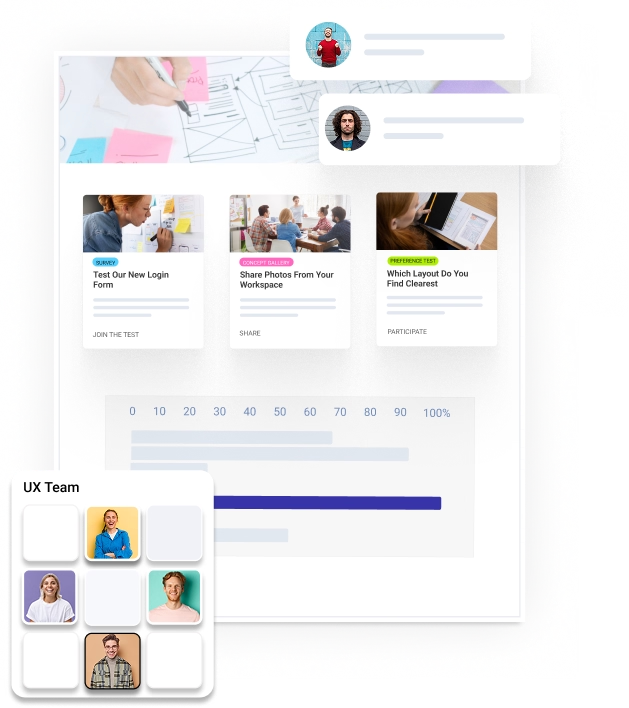
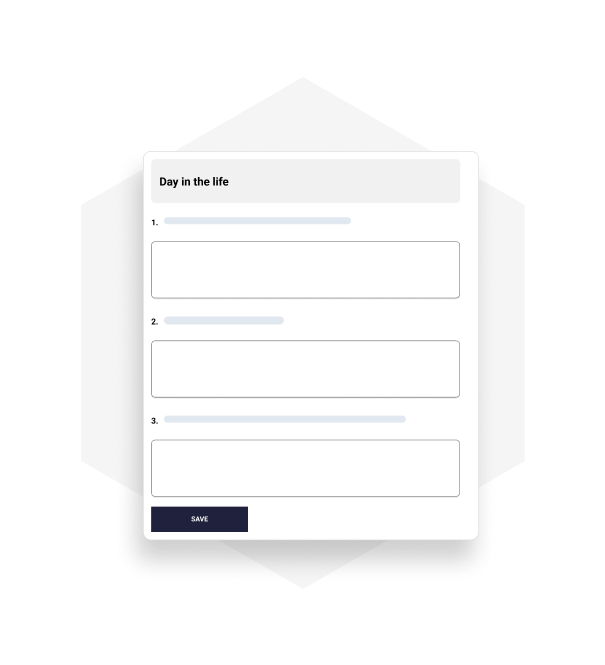
Often, user input is only gathered at the start and end of a project. Leanlab fills the gap in between, turning discovery and validation into a seamless loop of collaboration. Dig deeper into users with tools such as self-reporting diaries and discussions, enabling your teams to empathise and connect with users' preferences, emotions and behaviours.
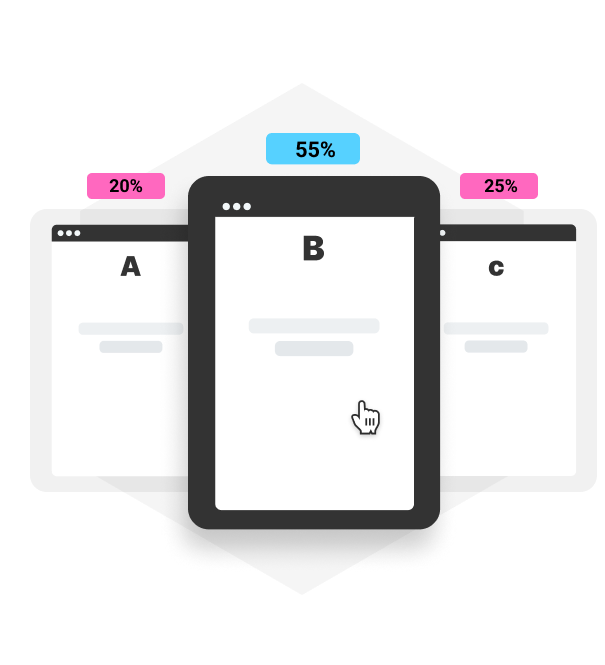
With Leanlab you can get instant feedback on your designs. Share your work with your users, vote, first click-test, or preference test and pick the best ideas to move forward with.
“Leanlab has helped us reduce the time we need for talking to customers from weeks to just 24 hours.“
Niknaz Moslehi
UX Designer, Lindex

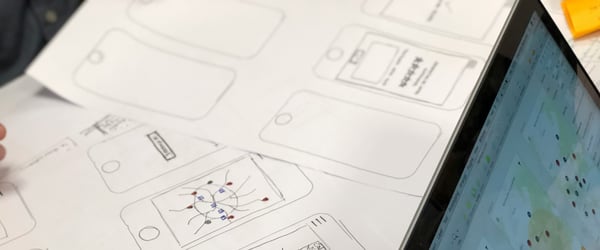
With Leanlab you can run unmoderated usability tests at scale. Give users a self-reporting usability task on an existing service or ask them to click through a new prototype in for example Figma, and create a robust understanding of how you can improve your UX further.
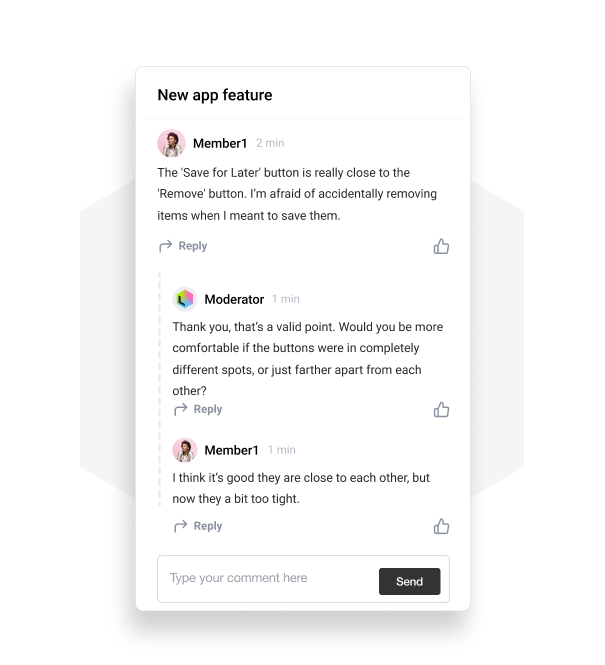
When you need to run moderated sessions, you can launch one-to-one asynchronous or real-time chats on Leanlab or invite selected users to schedule a video call with your current tool, such as Teams, Google Meet, etc.
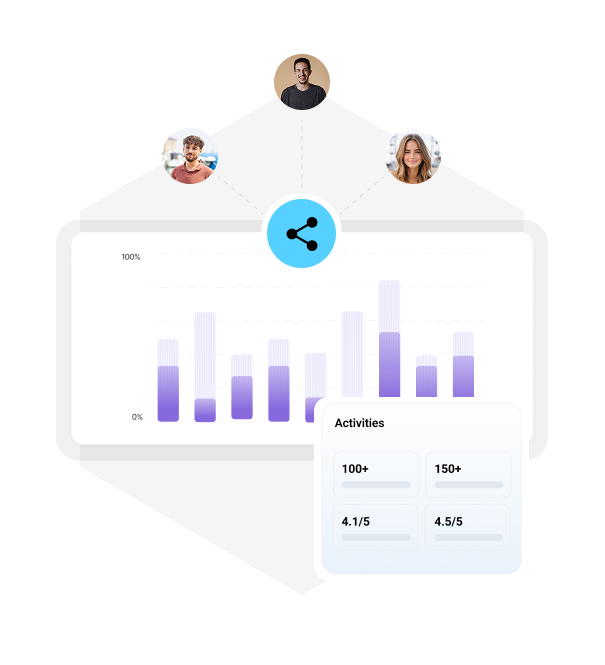
Share results instantly with designers, researchers, and stakeholders. Leanlab turns UX testing into a shared team effort, with full, easy alignment.
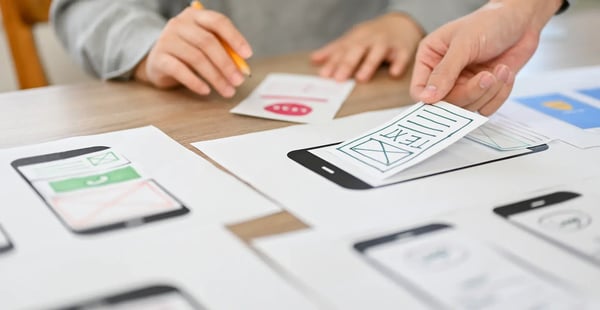
A Customer Lab is an always-on research environment that gives UX teams continuous access to real users, not just at the start and end of a project, but throughout the entire design process.
Most teams gather user input only at kickoff and final validation, leaving a long gap in the middle where decisions are made on instinct. Leanlab fills that gap by turning discovery and validation into a seamless, ongoing loop of collaboration.
The result is faster iteration, fewer wasted design cycles, and decisions made with full confidence rather than guesswork.
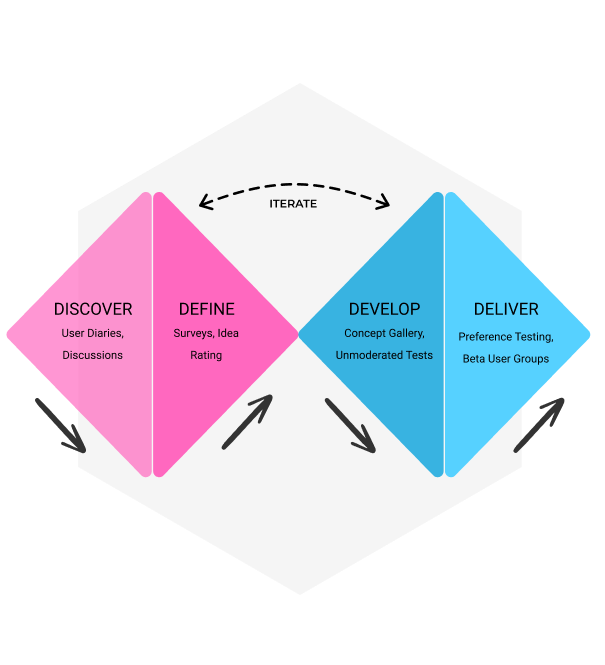
The double diamond is built on divergent thinking followed by convergence, but user input often disappears entirely from the middle phases.
Leanlab keeps users in the loop throughout by enabling self-reporting diary studies and structured discussions that track how preferences, emotions, and behaviors evolve across a sprint.
Rather than relying on a single discovery round from six months ago, your team maintains a living understanding of users that stays current as the design evolves. For a practical look at bringing users back into the process earlier, see How to bring users back into the design process.
Leanlab supports both unmoderated and moderated testing, so you can match the method to the research question.
For unmoderated tests, you assign users a self-reporting task on a live service or ask them to click through a prototype, running studies at scale without scheduling individual sessions.
For research that needs depth, you can run one-to-one asynchronous or real-time chats directly on Leanlab, or invite selected users to a video call via tools like Teams or Google Meet.
This flexibility covers everything from quick directional checks to detailed usability investigations.
Preference tests let you share competing design options directly with your real users, asking them to vote, first-click-test, or rate concepts side by side. Instead of debating internally which direction to pursue, your team gets a concrete user signal within hours.
Niknaz Moslehi, UX Designer at Lindex, put it plainly: Leanlab reduced the time they needed for customer conversations from weeks to just 24 hours.
For fast-moving design sprints where iteration speed matters, rapid preference testing removes the bottleneck of slow, scheduled research.
Yes. Leanlab integrates with Figma so you can send users directly into a new prototype to click through it at their own pace, without a researcher moderating the session.
Users complete self-reporting usability tasks and document their experience in real time, giving you a realistic signal of how your design performs before a line of code is written.
This is one of the most efficient ways to catch usability issues early, when fixes are cheapest. Explore the full range of Leanlab's validation tools.
Getting insights out of the researcher's hands and into a wider team is one of the most persistent bottlenecks in UX work.
Leanlab solves this by letting you share results instantly with designers, researchers, and stakeholders the moment a study wraps.
Instead of creating a research deck that gets reviewed weeks later, your team works with shared visibility throughout, turning UX testing into a collective effort with genuine alignment rather than a handoff.
Leanlab is built to serve UX teams, but the same platform is used by CX, product, and marketing teams within the same organisation.
CX teams use it to map journeys, monitor touchpoints, and run continuous tracking surveys. Product teams use it to validate concepts, test new features, and manage beta rollouts. Marketing teams use it to test creatives, messaging, and campaign directions before launch.
When UX, CX, product, and marketing research all flow through a shared customer lab, insights stop living in silos, and the whole organisation builds a more consistent, evidence-based picture of its users.